
Old House, New Chapter: How to Modernize a Home Without Erasing Its Character
There is something undeniably special about an older home.
The original millwork. The well-worn floors. The unexpected architectural details. The quirks that would probably never make their way into a new construction plan today.
Throughout Ridgefield and Fairfield County, we’re fortunate to have homes filled with this kind of character. But with that character often comes a familiar design challenge: how do you create a home that works beautifully for modern life without losing everything that made it special in the first place?
Identifying What Makes the Home Special
Sometimes the most successful renovation begins with restraint. Before deciding what should change, it’s important to understand what shouldn’t.
Original moldings, hardwood floors, fireplaces, built-ins, doors, hardware and other architectural details can give an older home a sense of history that is nearly impossible to recreate authentically. While not every original feature needs to remain simply because it’s original, but the elements that give a home its identity deserve careful consideration.
Let the Architecture Lead
One of the easiest ways to lose the character of an older home is to introduce finishes that feel disconnected from its architecture.
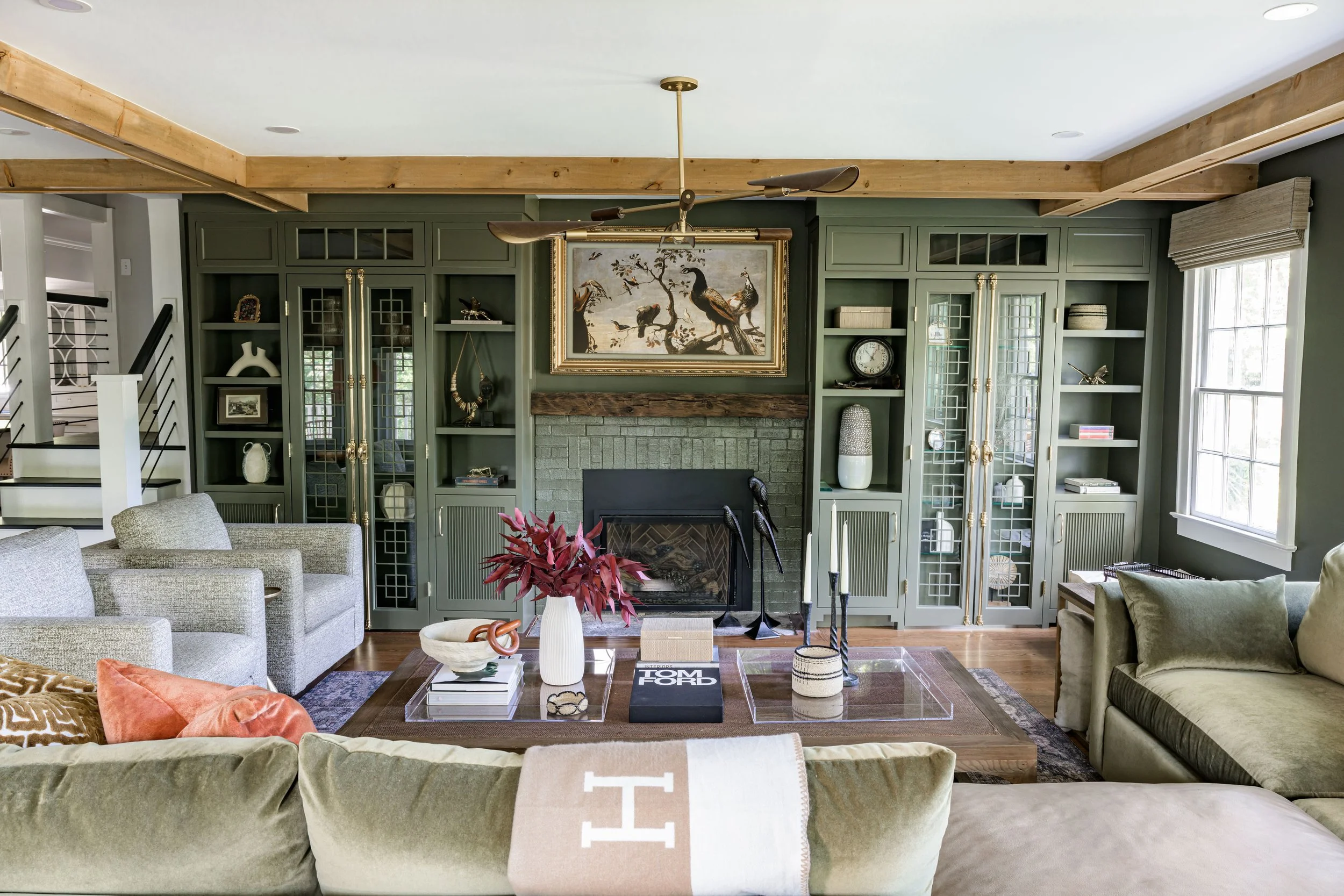
Modernizing doesn't have to mean making everything stark, sleek or contemporary. Instead, we look for ways to update a home while respecting its proportions and architectural language. That might mean simplifying existing millwork rather than removing it, choosing cabinetry that feels fresh but appropriate to the home, or introducing a more contemporary light fixture against a beautifully preserved traditional backdrop.
The contrast between old and new can be incredibly beautiful when it feels intentional.
Update the Way the Home Lives
Older homes were designed for a different way of life. Kitchens were often smaller and separated from living spaces. Storage wasn't necessarily a priority. Lighting plans were limited. Mudrooms, home offices and large primary suites weren't always part of the equation.
This is where thoughtful design can make an enormous difference. Rather than changing a floor plan simply for the sake of opening it up, consider how your family actually uses the home. A wider doorway may create the connection you need without removing an entire wall. Custom cabinetry can introduce storage while looking as though it has always belonged there.
Create Contrast Instead of Trying to Replicate the Past
Preserving character doesn't mean every new addition needs to look old. In fact, trying too hard to recreate a previous era can make a renovation feel less authentic. We love pairing traditional architecture with thoughtfully chosen contemporary elements: a sculptural light fixture beneath original ceiling details, modern upholstery alongside an antique chest, or streamlined hardware against classic cabinetry.
Allowing old and new to coexist gives a home depth. The goal isn't to make someone wonder which pieces are original. It's to make everything feel as though it belongs.
Bring Modern Comfort Into the Details
Some updates don't need to be visually obvious at all. Improved lighting, better storage, updated plumbing, more functional kitchens and bathrooms, thoughtfully integrated technology and comfortable furnishings can dramatically change the experience of an older home without changing its character.
These are often the details that make a historic or traditional house truly enjoyable for modern life. A home can honor its past without requiring you to live in it.
Mix Pieces From Different Eras
The same philosophy applies to furnishings. A room filled entirely with antiques can feel like a time capsule, while one filled exclusively with brand-new furniture can feel disconnected from an older home's architecture.
The magic often happens somewhere in between. Pair an antique table with contemporary chairs. Place modern art above a traditional fireplace. Introduce a vintage rug beneath a clean-lined sofa. Layering periods creates a home that feels collected, personal and evolved over time.
Know When Something Has Run Its Course
Preservation doesn't mean keeping everything. There are moments when an original feature no longer functions, has been altered beyond repair or simply doesn't contribute anything meaningful to the home.
Thoughtful renovation requires knowing the difference between character and something that's simply outdated. Removing the latter can often give the truly special elements more room to shine.
Designing the Next Chapter
The best renovations don't make an older home unrecognizable. They reveal what was beautiful about it all along while allowing it to work for the people who live there today.
At Jill Rae Designs, we approach older homes with equal parts respect and imagination—preserving the details worth celebrating, rethinking the spaces that no longer serve their purpose and introducing new layers that feel intentional rather than imposed.
Because a home with history doesn't need to become something entirely different. Sometimes, it simply needs its next chapter.